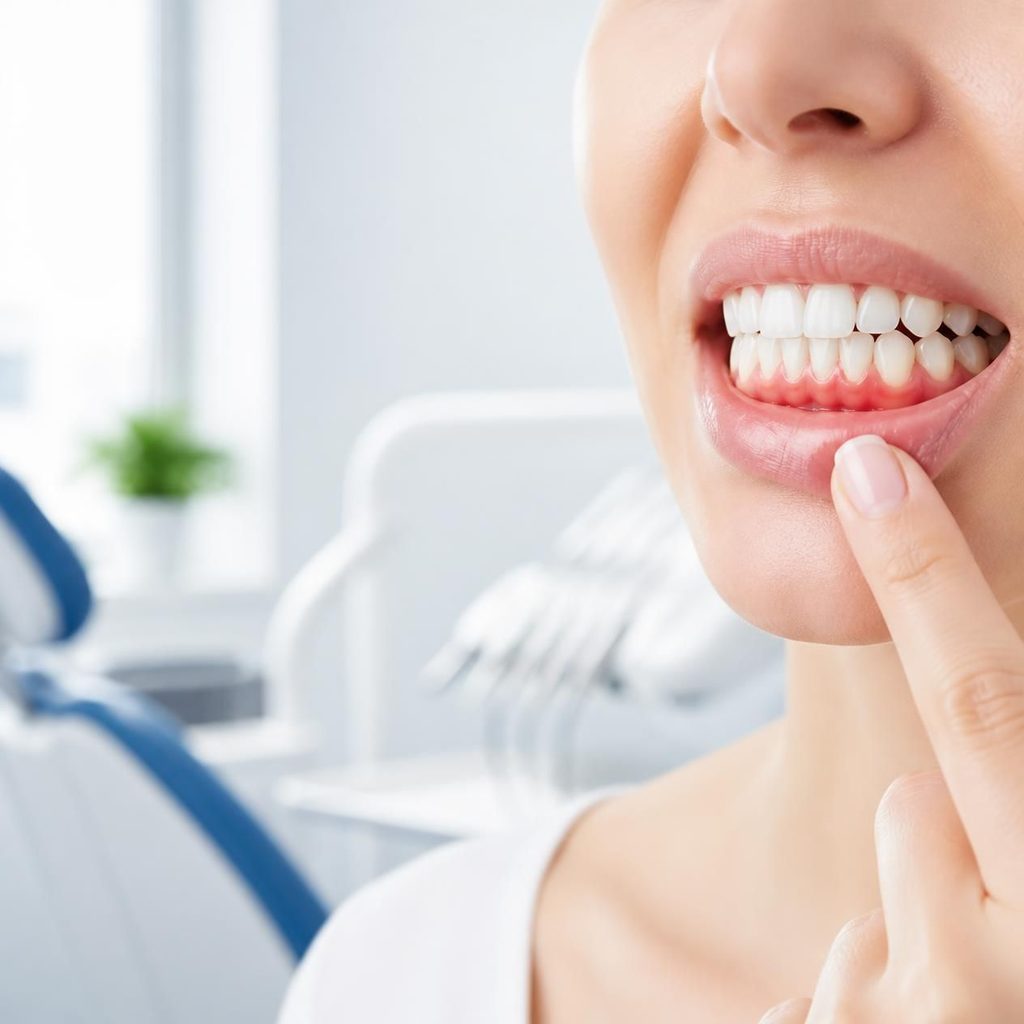
If you notice pink or red blood in the sink while brushing, you may wonder. This raises the question: why do my gums bleed when I brush. Some people may even start brushing less often after noticing bleeding.
However, bleeding while brushing is often a sign that the gums are not completely healthy. It should not simply be ignored. One of the most common causes is inflammation of the gums caused by bacterial plaque accumulating around the teeth and along the gumline. why do my gums bleed when I brush
As a dentist, one point I particularly emphasise to my patients is this: If your gums are bleeding, the answer is not to stop brushing your teeth, but to find out what is causing the bleeding.
Person brushing teeth with bleeding gums caused by gum inflammation
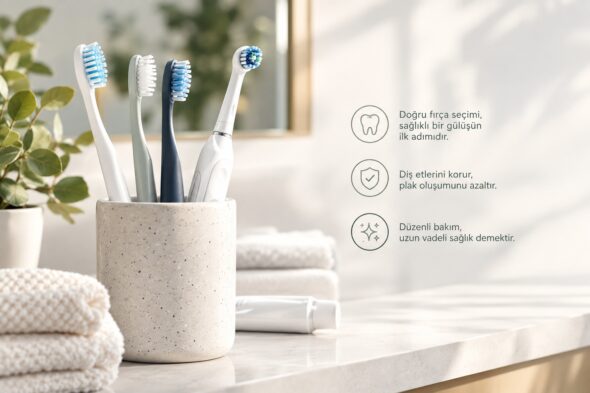
Choosing the right toothbrush may seem like a simple decision. But the toothbrush you use every day can have a significant impact on your oral health. The right toothbrush can help remove plaque effectively while being gentle on your teeth and gums.
With so many different types of toothbrushes available, it is natural to wonder which option is best for you. When you choose the right toothbrush for your needs, you can improve your oral health.
Should you choose a manual or electric toothbrush? Is a soft-bristled toothbrush really better? Does the size of the toothbrush head matter?
How to Choose the Right Toothbrush
In this guide, we explain the essential factors to consider when choosing the right toothbrush for your everyday oral care routine.
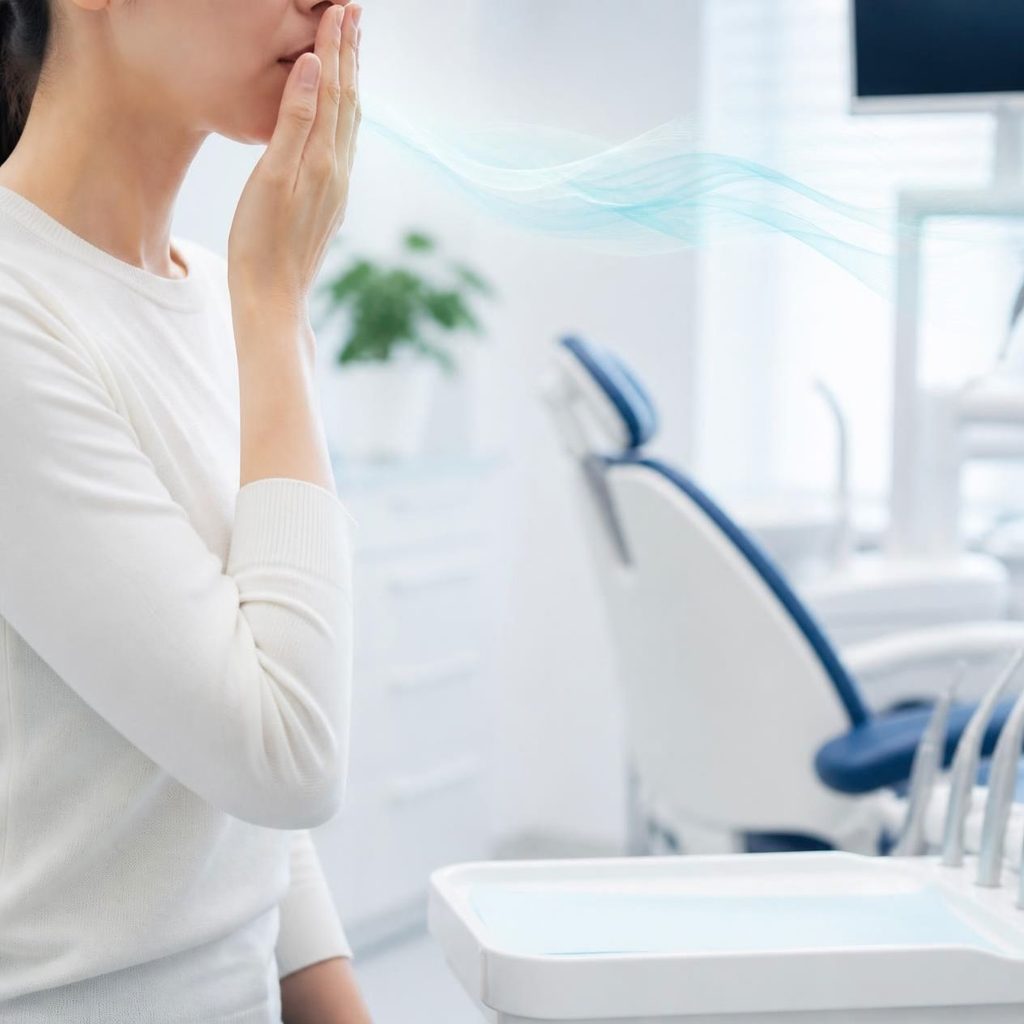
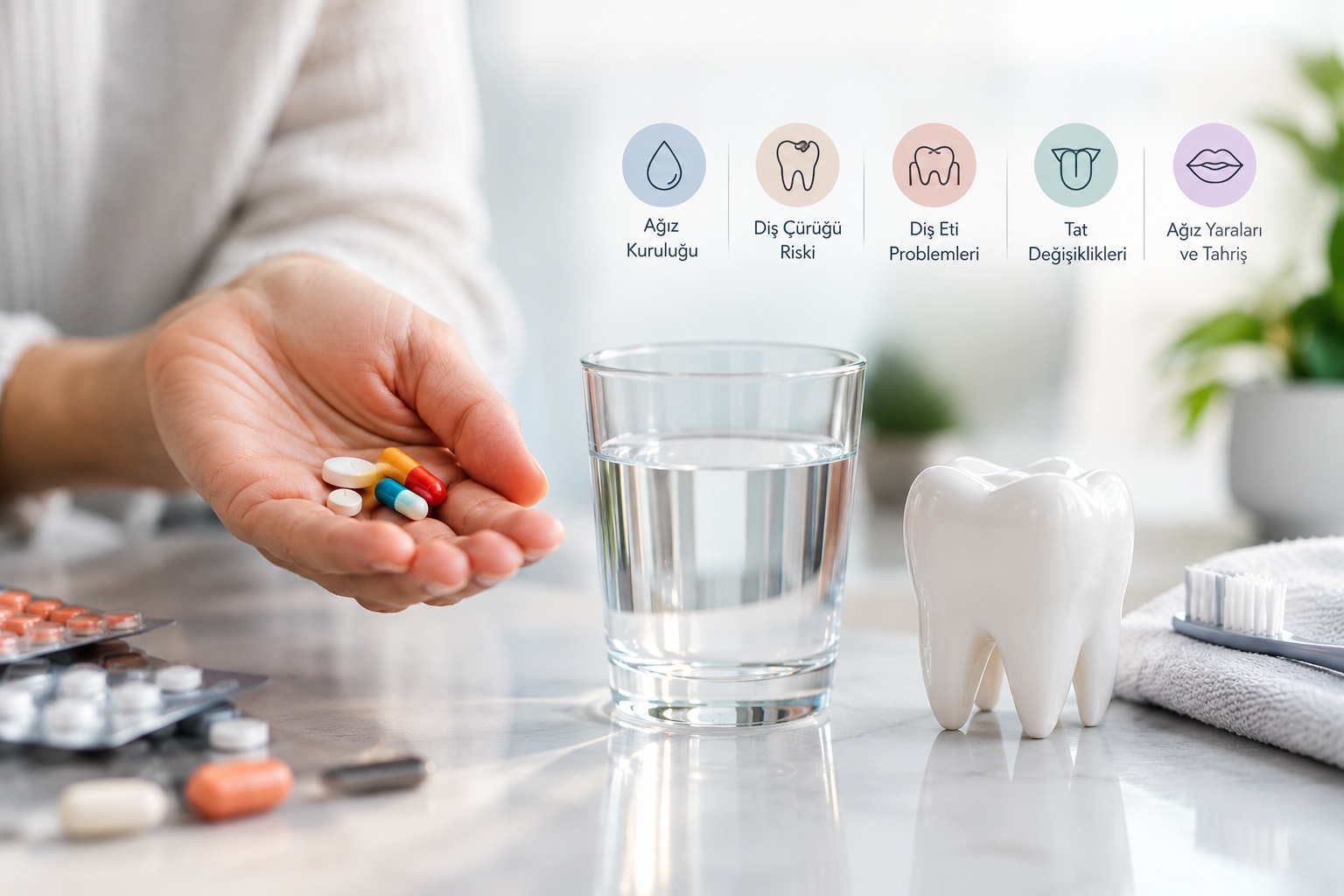
Daily life medications can affect our oral health.
These medicines treat various conditions, but they can also impact oral health.
In particular, long-term use of certain drugs can cause dry mouth and ulcers.
Dental caries, gum problems, and changes in taste may be observed.
Therefore, it is important for individuals who regularly take medications to pay attention to oral health and inform their dentist about the medicines they are using.
Why Do Medications Affect Mouth and Dental Health?
The profound link between a smile and overall health
Moreover, a genuine, well-maintained smile serves as more than a cosmetic feature. It reflects and supports oral health and overall health. Regular care, like brushing and dental visits, helps protect this vital link. Healthy habits also reduce risks of disease and improve confidence.
smile for your health
From daily habits to systemic health, the state of the teeth, gums, and mouth influences nutrition and communication. A healthy smile promotes effective chewing, clearer speech, and greater self-confidence in social and professional settings. These benefits extend to overall quality of life in everyday activities.